Forma Urbis Romae
Author Roman cartographers under Septimius Severus
Date of creation 203 - 211
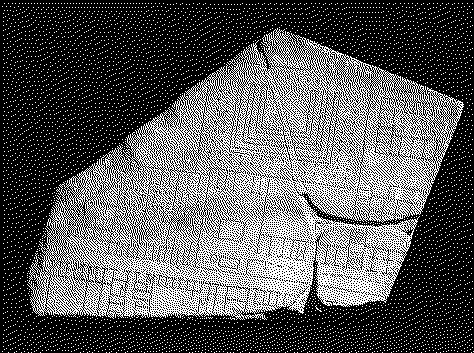
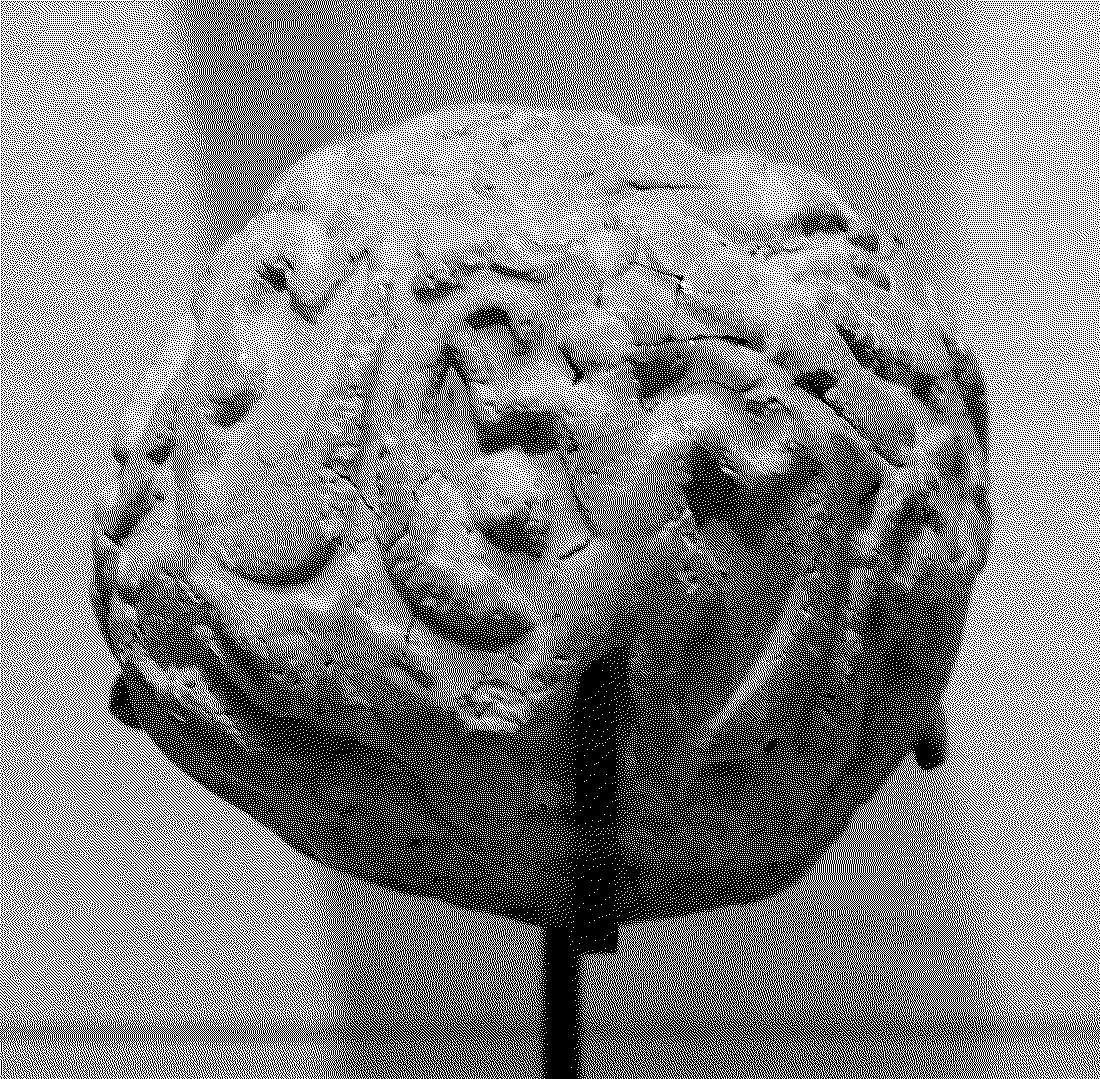
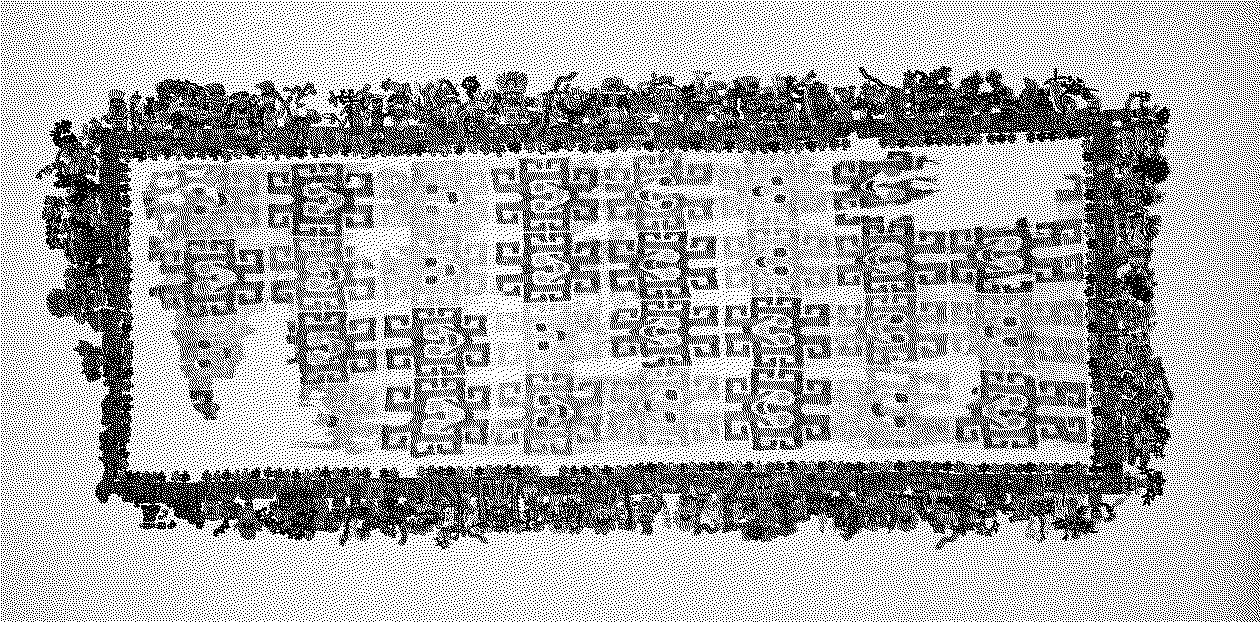
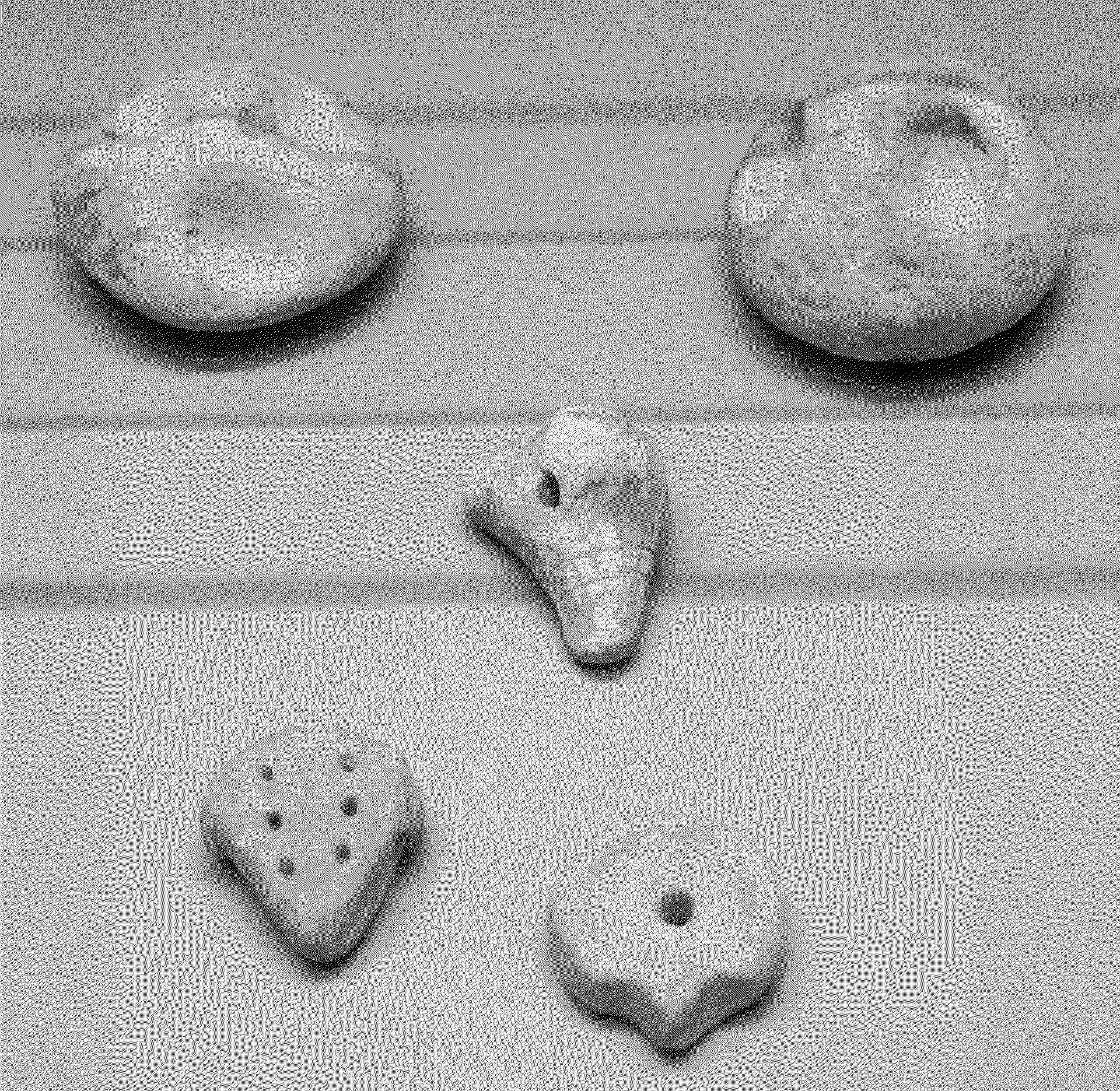
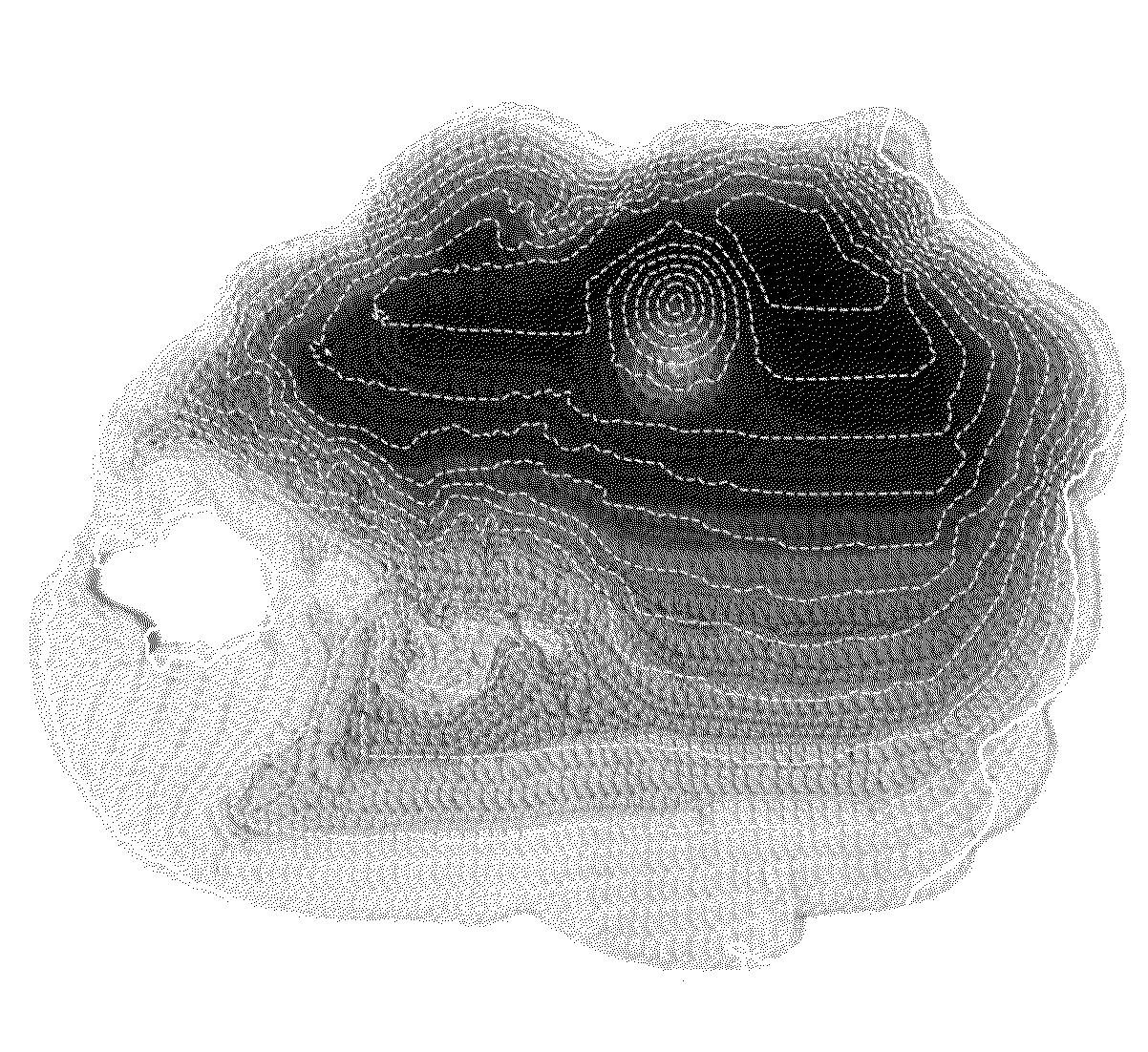
A marble map of ancient Rome, carved at a scale of about 1:240 and mounted on a wall of the Templum Pacis. Only 10-15% survives, in fragments now held at the Capitoline Museums.
Inka-Style Khipu
Author Leland L. Locke's book
Date of creation 1300-1500
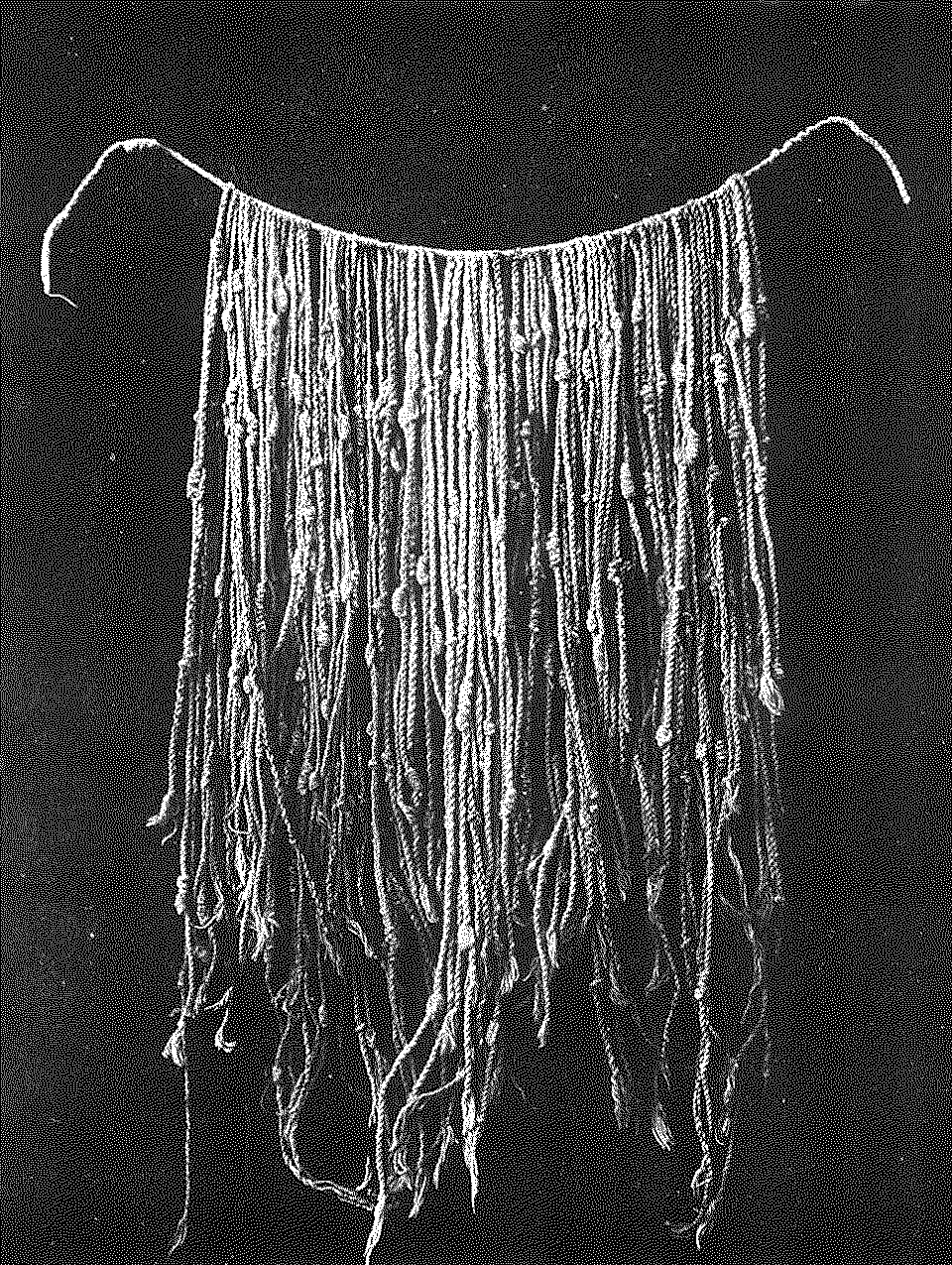
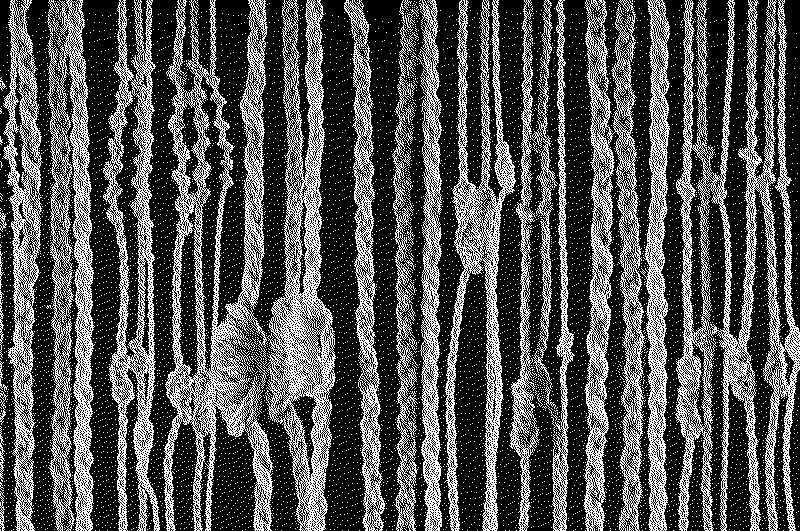
Inka-style khipu illustrating one of the most important book in the history of khipu deciphering, in which L. Locke determined khipu were numerical devices encoded in base 10. The book was published in 1912.
Qin Bronze Weight (Quán 权)
Author Qin dynasty imperial government
Date of creation 221 BCE
A bronze weight cast after Qin Shi Huang's unification of China, inscribed with the imperial edict standardizing weights across the empire. Used with a balance scale for trade and taxation.
Ishango Bone
Author Later Stone Age toolmakers
Date of creation 20000 BCE
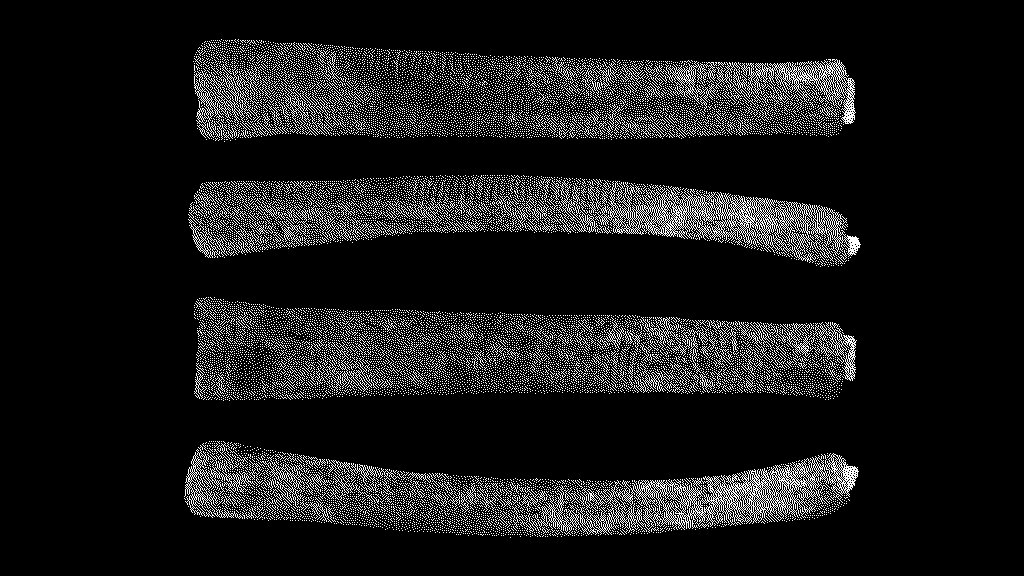
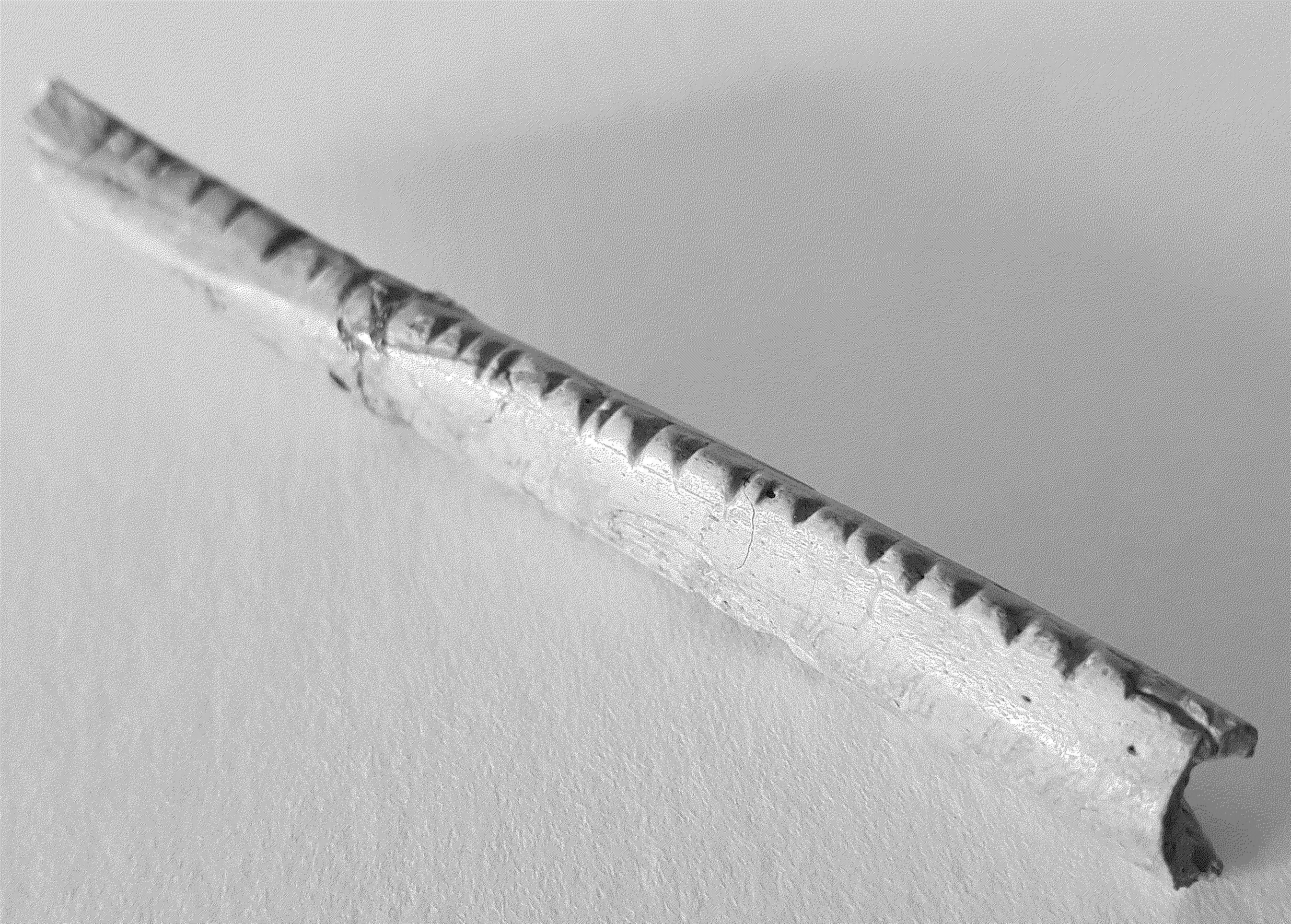
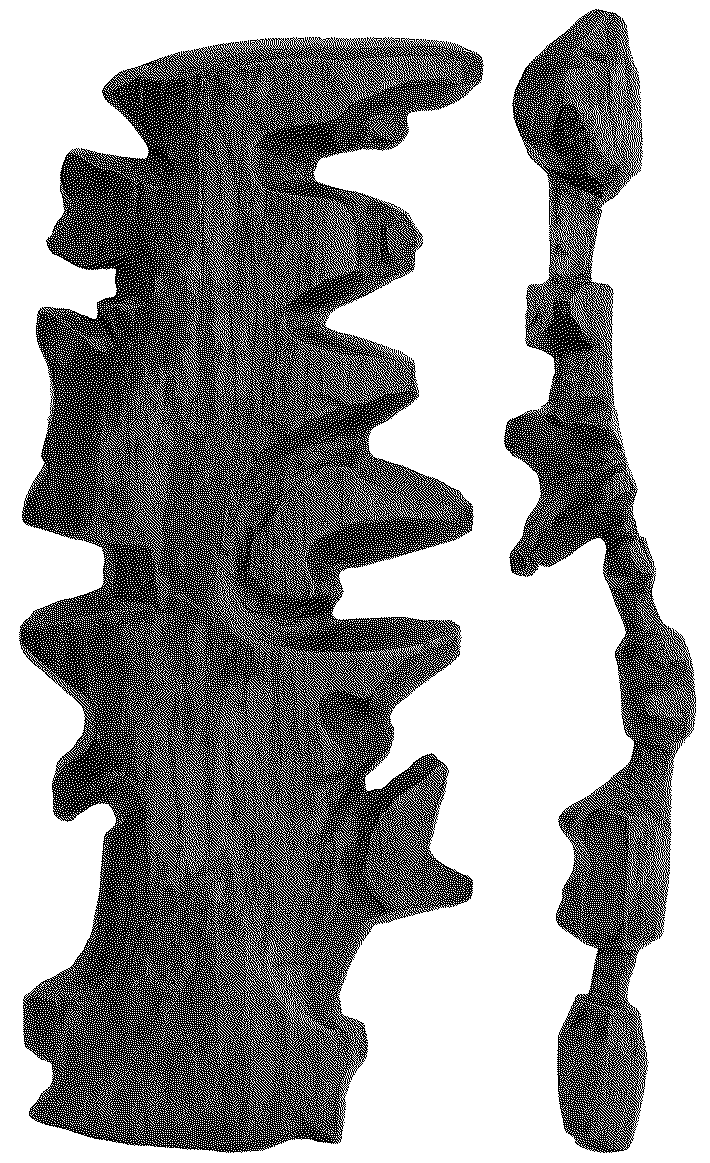
A baboon fibula bearing three columns of notches in varying groupings, found at Ishango, Democratic Republic of Congo. Its function remains debated — proposed readings range from a simple tally to a lunar calendar or an early arithmetic tool.
Mesopotamian Clay Tokens
Author Sumerian agriculturalists
Date of creation 10 000 BCE - 3000 BCE
Accounting tokens that were used for farming goods exchange and accounting in Mesopotamia. The tokens were used for thousands of years and led to the invention of cuneiform writing.
Qin Bronze Volume Measure (Shēng 升)
Author State of Qin, standardized under Qin Shi Huang
Date of creation 344 BCE - 221 BCE
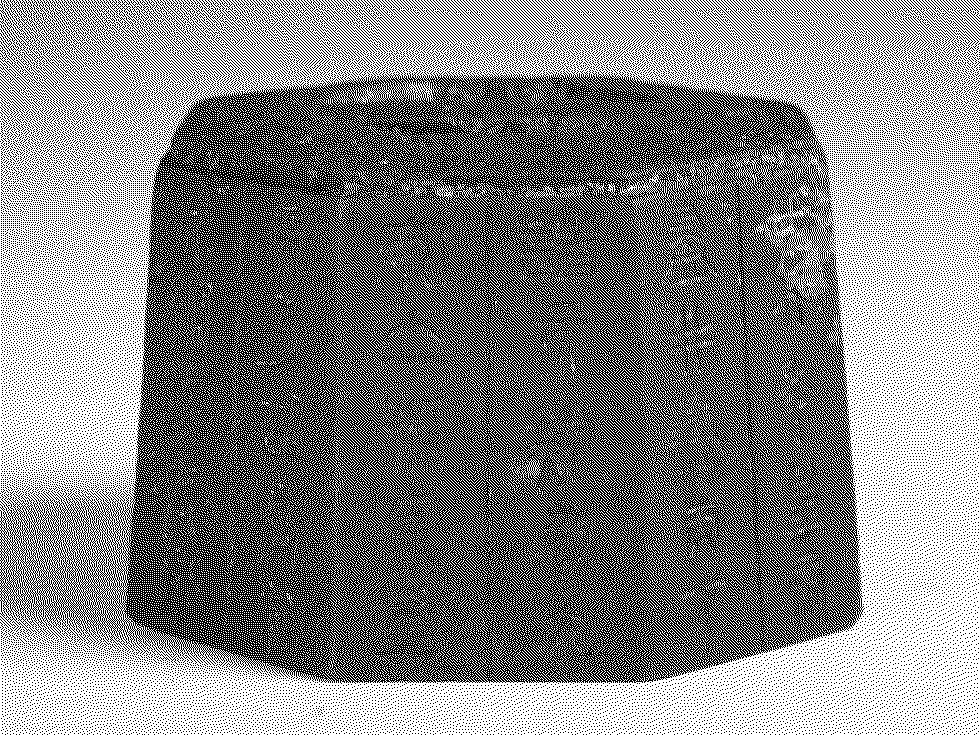
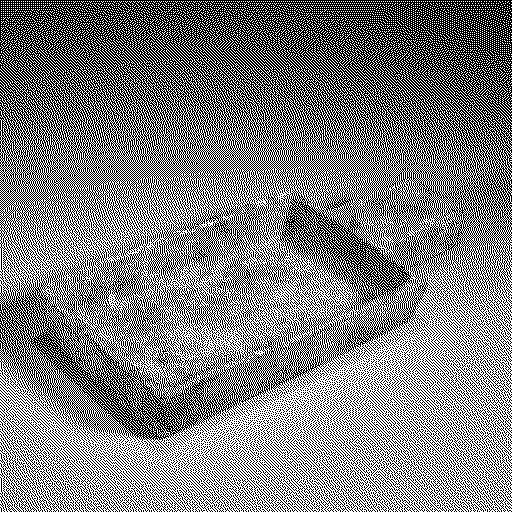
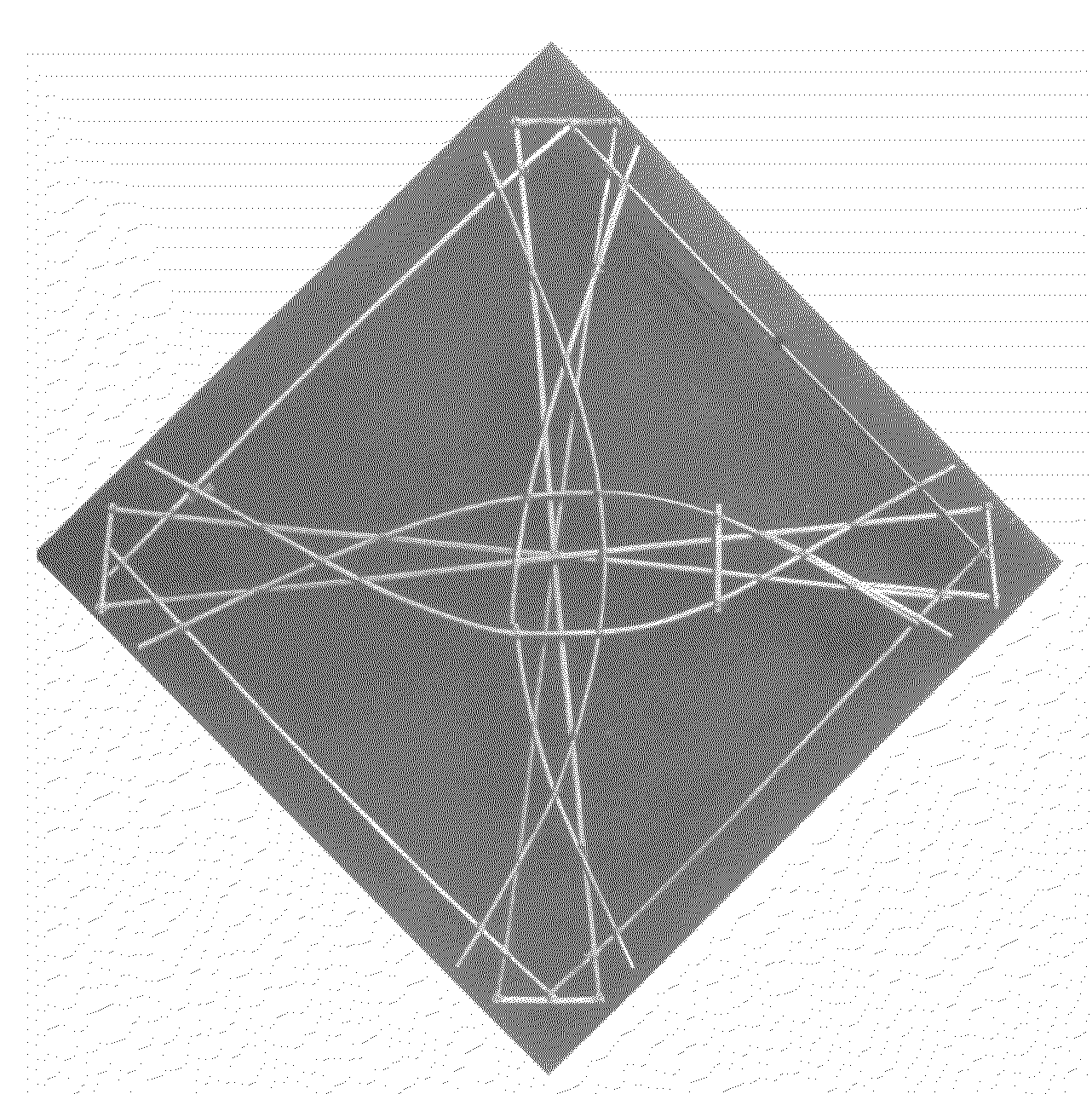
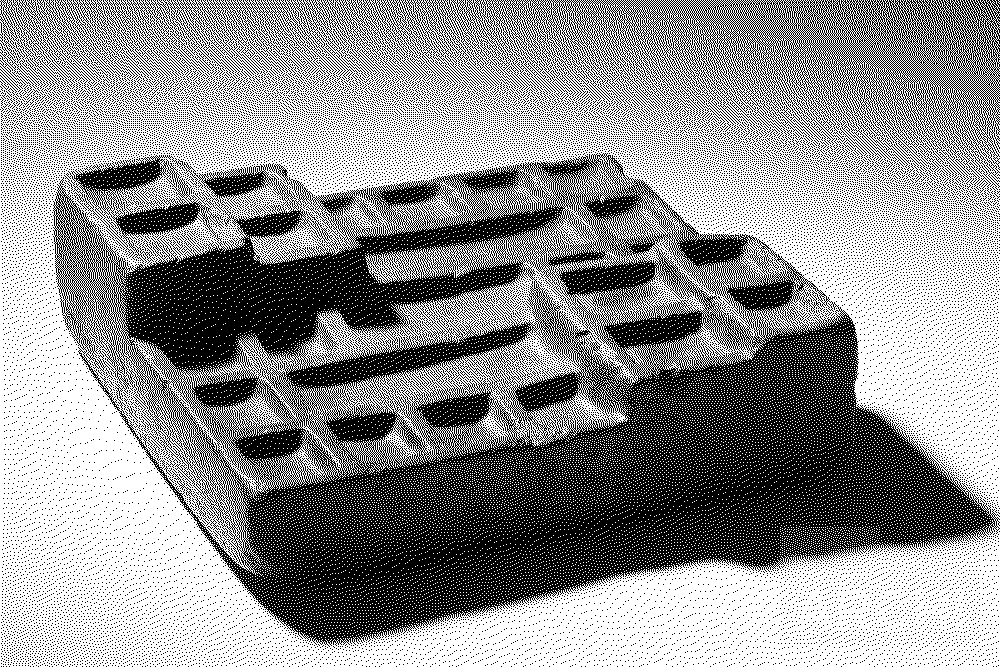
A rectangular bronze pan with a handle, cast as a standard unit of volume. The type originates with Shang Yang's 344 BCE reform and was extended empire-wide under Qin Shi Huang's 221 BCE unification edict, alongside standardized weights and currency.
Maikop Vessel
Author Maikop culture artisans
Date of creation 3700 BCE - 3000 BCE
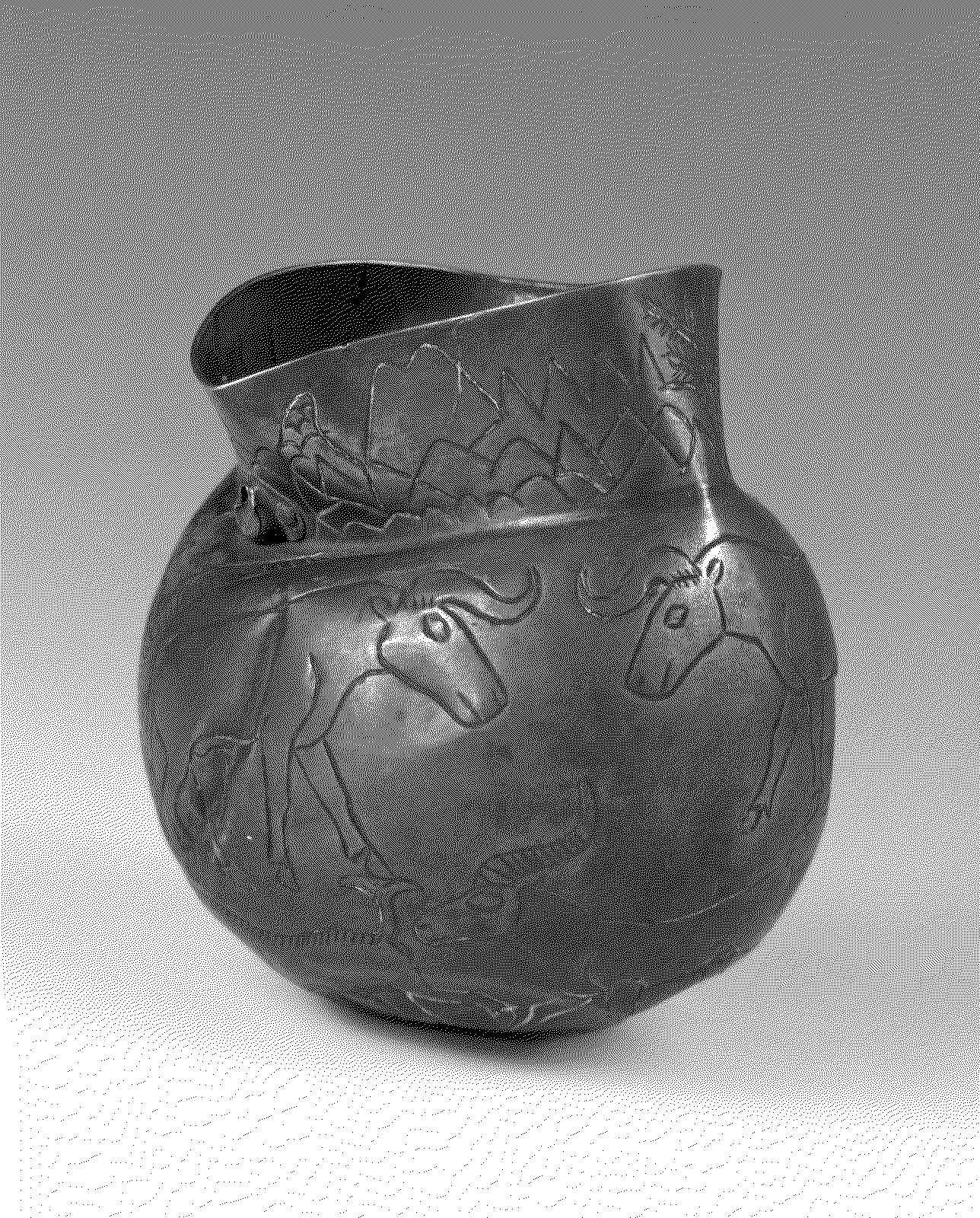
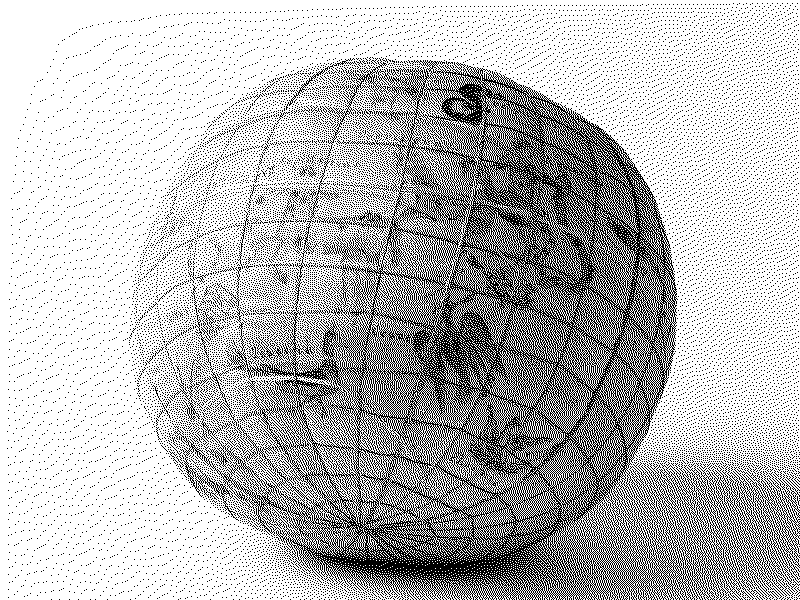
A silver vessel engraved with a naturalistic landscape — mountains, rivers, and animals including lions and panthers — widely interpreted as a depiction of the North Caucasus region as seen from the north. Found in the Maikop kurgan, Adygeya Republic (former Kuban region), Russia. Height 9.6 cm.
A Number Between Zero and One
Author Siah Armajani
Date of creation 1969
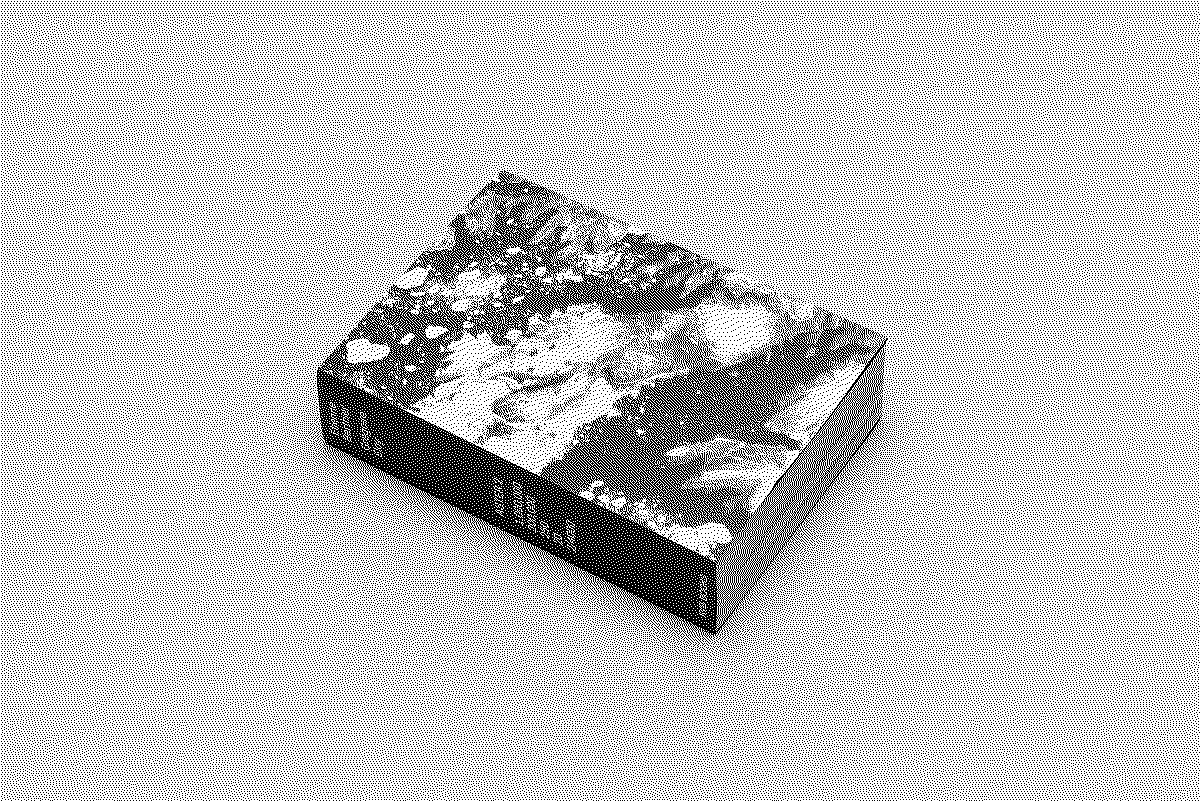
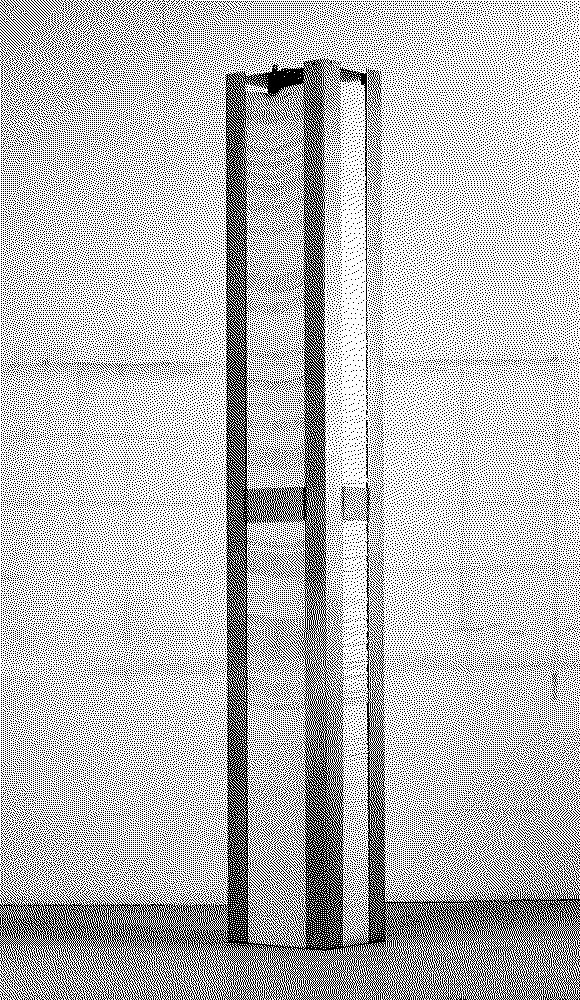
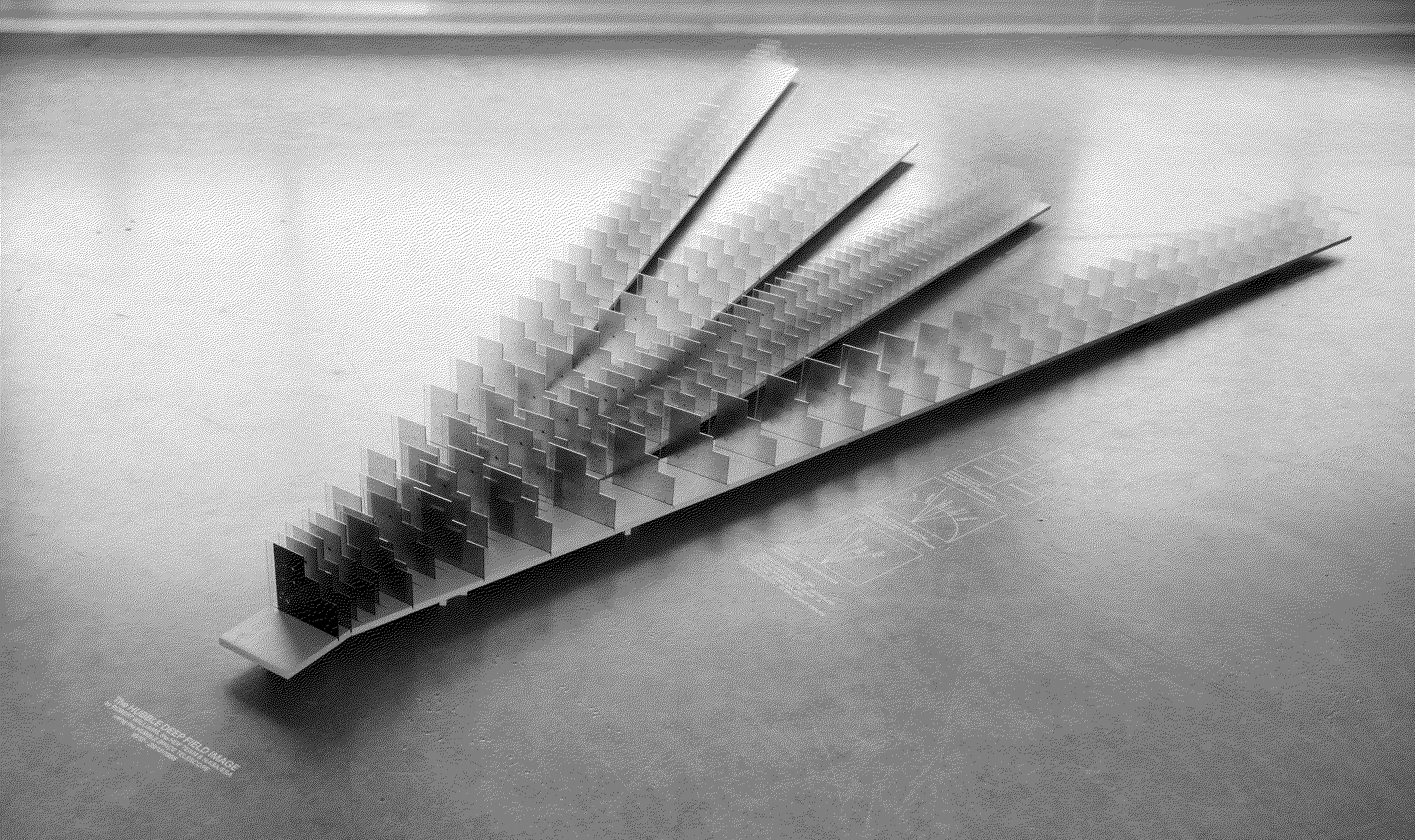
A Number Between Zero and One is a conceptual sculpture by Iranian-American artist Siah Armajani, consisting of a stack of paper printouts of an imaginary number—10^-205,714,079—one requiring 25,974 sheets and twenty-eight hours to print.
Korean Rain Gauge Ch'ŭgugi
Author Joseon kingdom's Research Institute of Astronomy Geography Calendar and Weather
Date of creation 1441
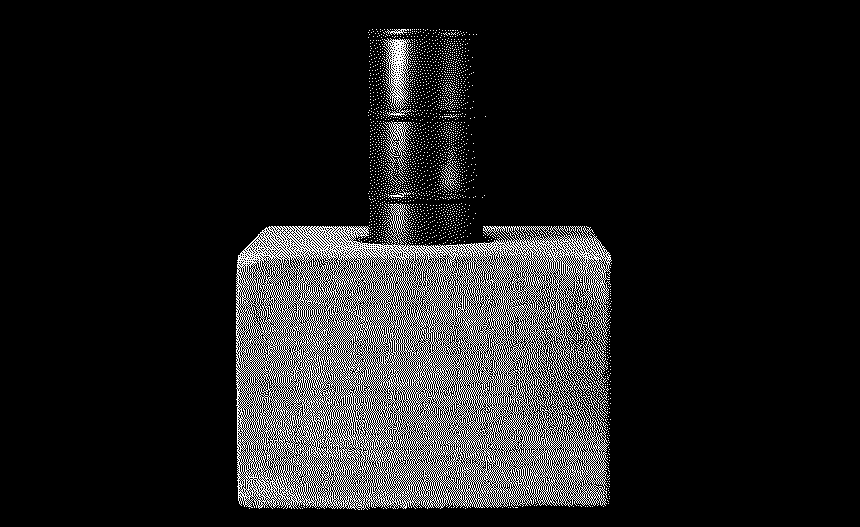
Known as the 'most ancient rain gauge in the world', the Korean rain gauge system was one of the first state-wide rain measuring system.
Chauvet Cave Palm-Print Panel (Grand Panneau des Points-Paumes)
Author Aurignacian cave visitors
Date of creation 34000 BCE
Roughly 100 ochre palm-prints applied by hand in the Brunel Chamber of Chauvet cave, forming a large shape suggestive of a herbivore. Oliver Schlaudt cites the panel's repetition of an identical gesture as a case where repeated mark-making can drift toward tokenization, independent of any single mark's meaning.
Harappan Cubical Weights
Author Indus Valley Civilization artisans
Date of creation 2600 BCE - 1900 BCE
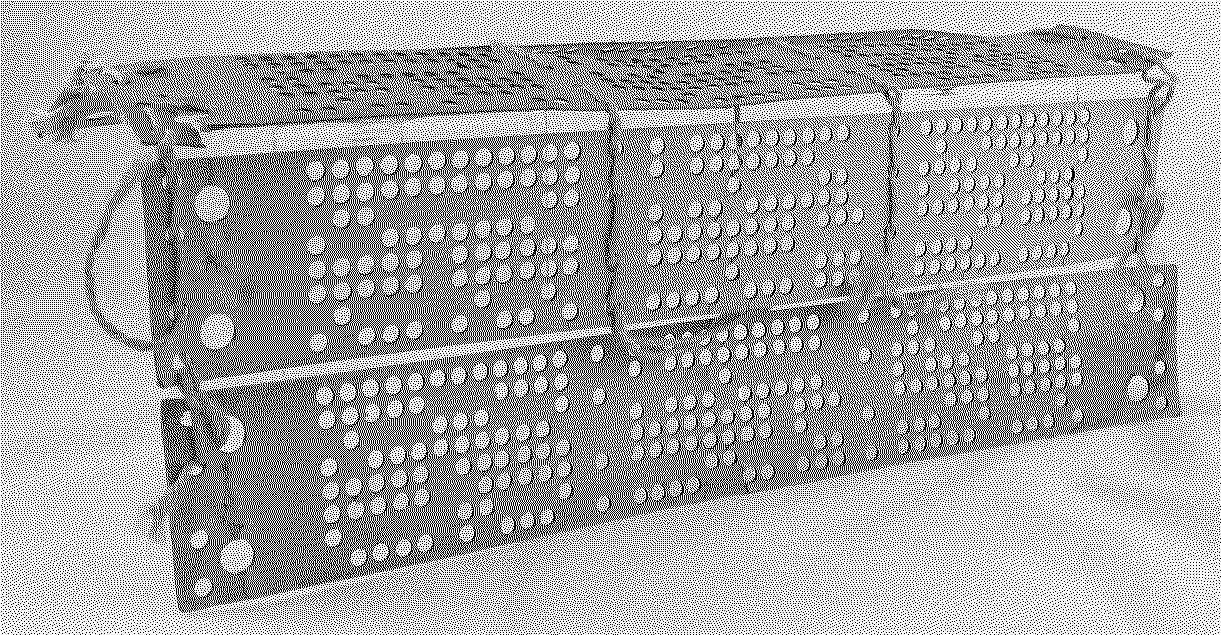
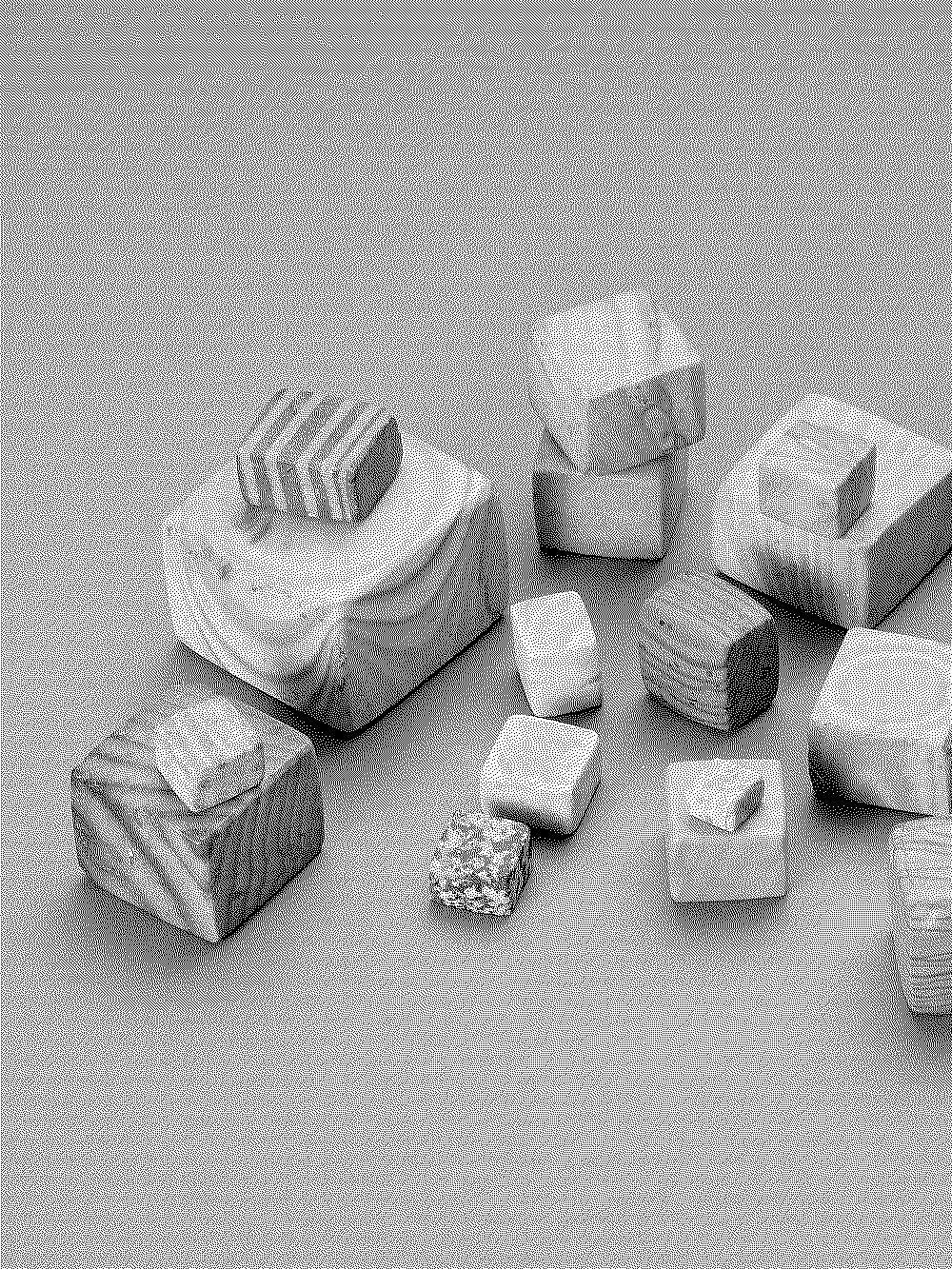
Cubical weights, mostly made of chert, used across Indus Valley settlements to standardize trade and taxation. They follow a strict binary ratio system (1:2:4:8:16...), consistent across a vast territory.
Les Pradelles Hyena Femur
Author Neanderthals
Date of creation 72000 BCE - 60000 BCE
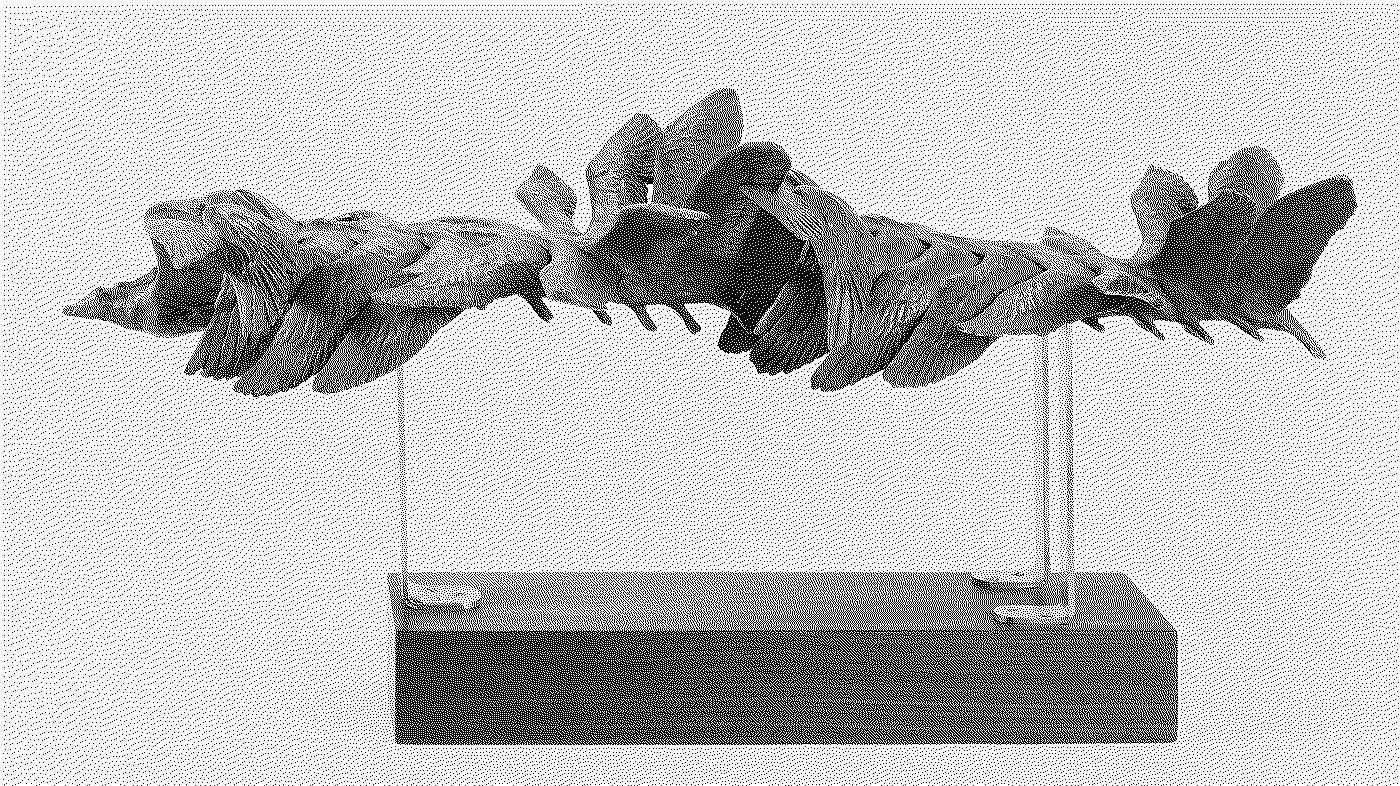
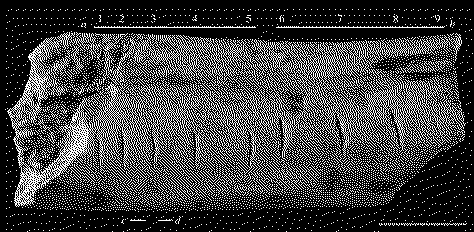
A fragment of hyena femur from Les Pradelles, southwestern France, bearing nine deep, roughly parallel incisions. Analysis by Francesco d'Errico and colleagues reads the marks as a confirmed case of numerical notation, made in a single session.
Ammassalik Coastline Sculpture
Author Kunit fra Umivik (Inuit hunter from Greenland)
Date of creation 1885
A sculpted guide to a stretch of coast north of Ammassalik, made by a local hunter to explain navigation to the Danish expedition captain Gustav Holm, who later wrote his deep despise for Inuit geographical artefacts.
Yupana
Author Inka Empire artisans
Date of creation 1400 - 1532
An Inka counting board, used alongside the khipu for arithmetic — the yupana computed, while the khipu recorded the result. Based on a 17th-century drawing by the chronicler Huaman Poma, later interpreted by Erland Nordenskiöld and Henry Wassén as a grid in which pebbles or grains of maize, placed in different squares, represented different values depending on their position.
Sayhuite Monolith
Author Inka Empire artisans
Date of creation 1400 - 1532
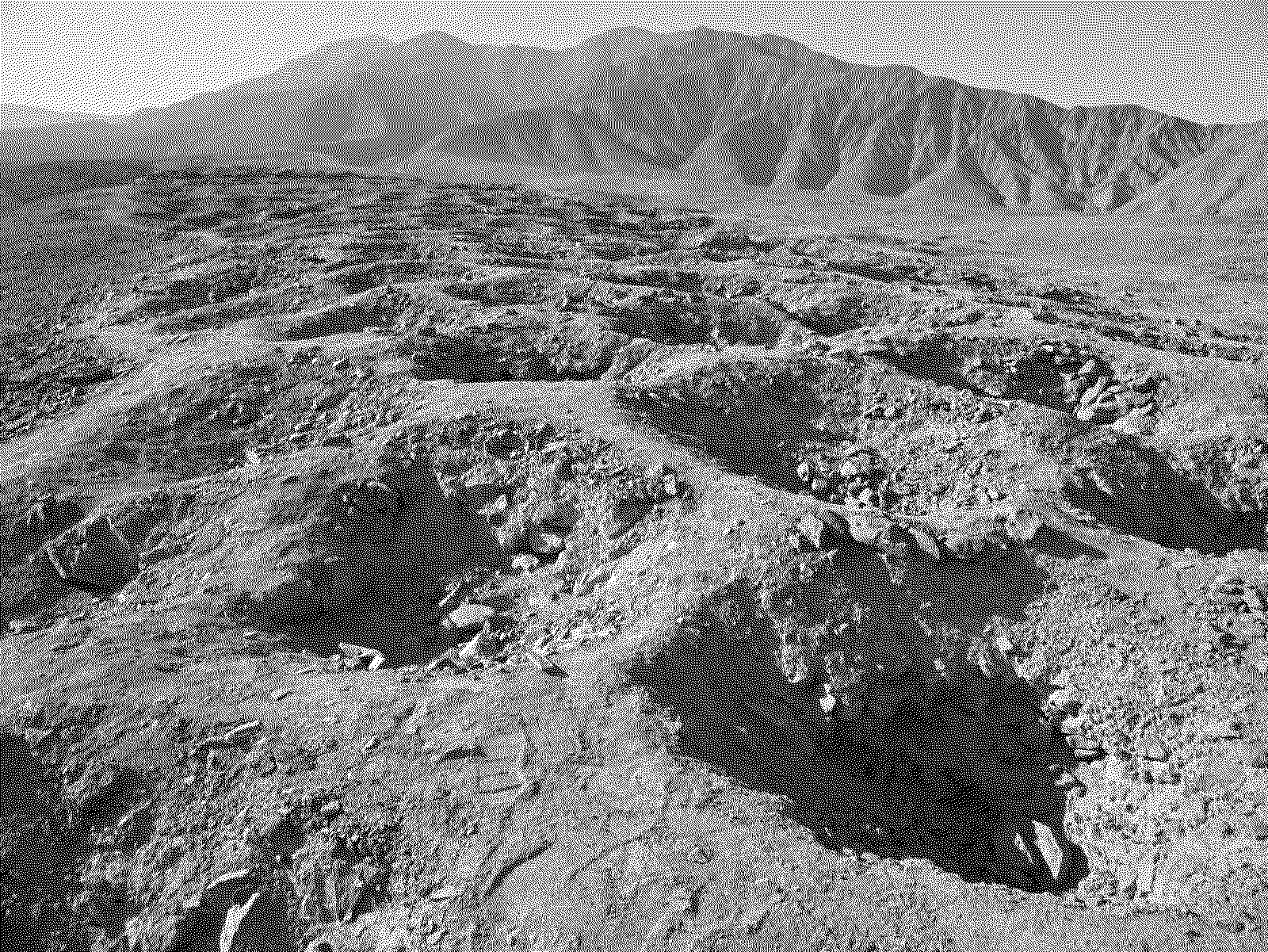
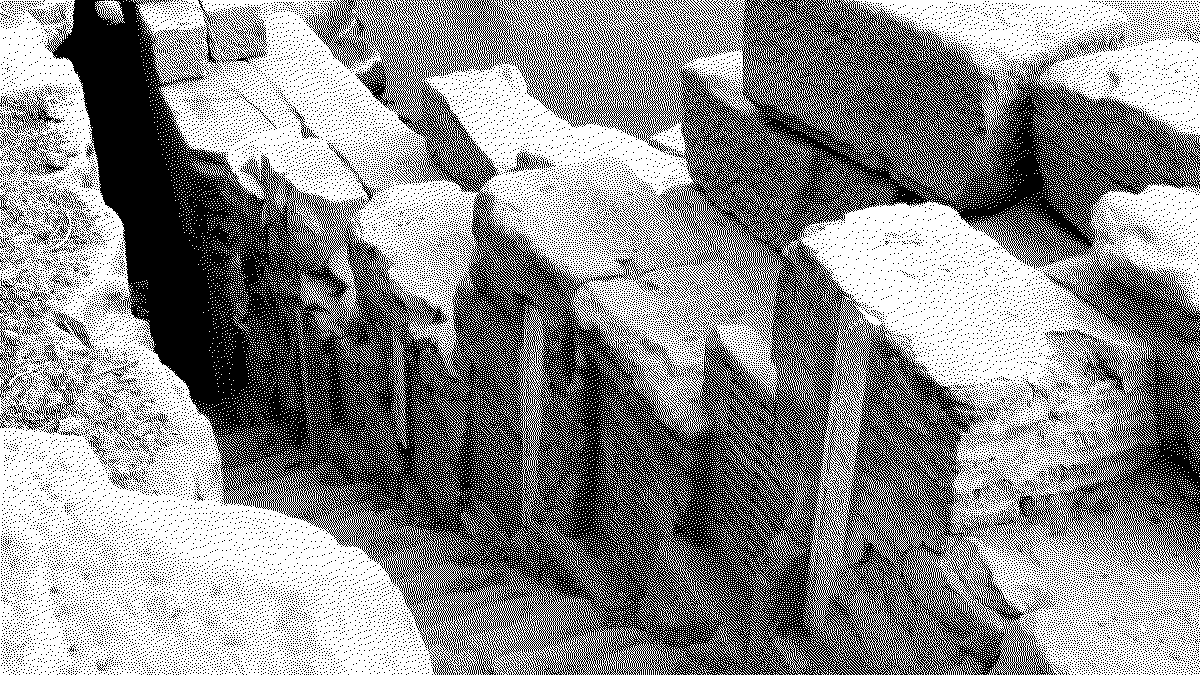
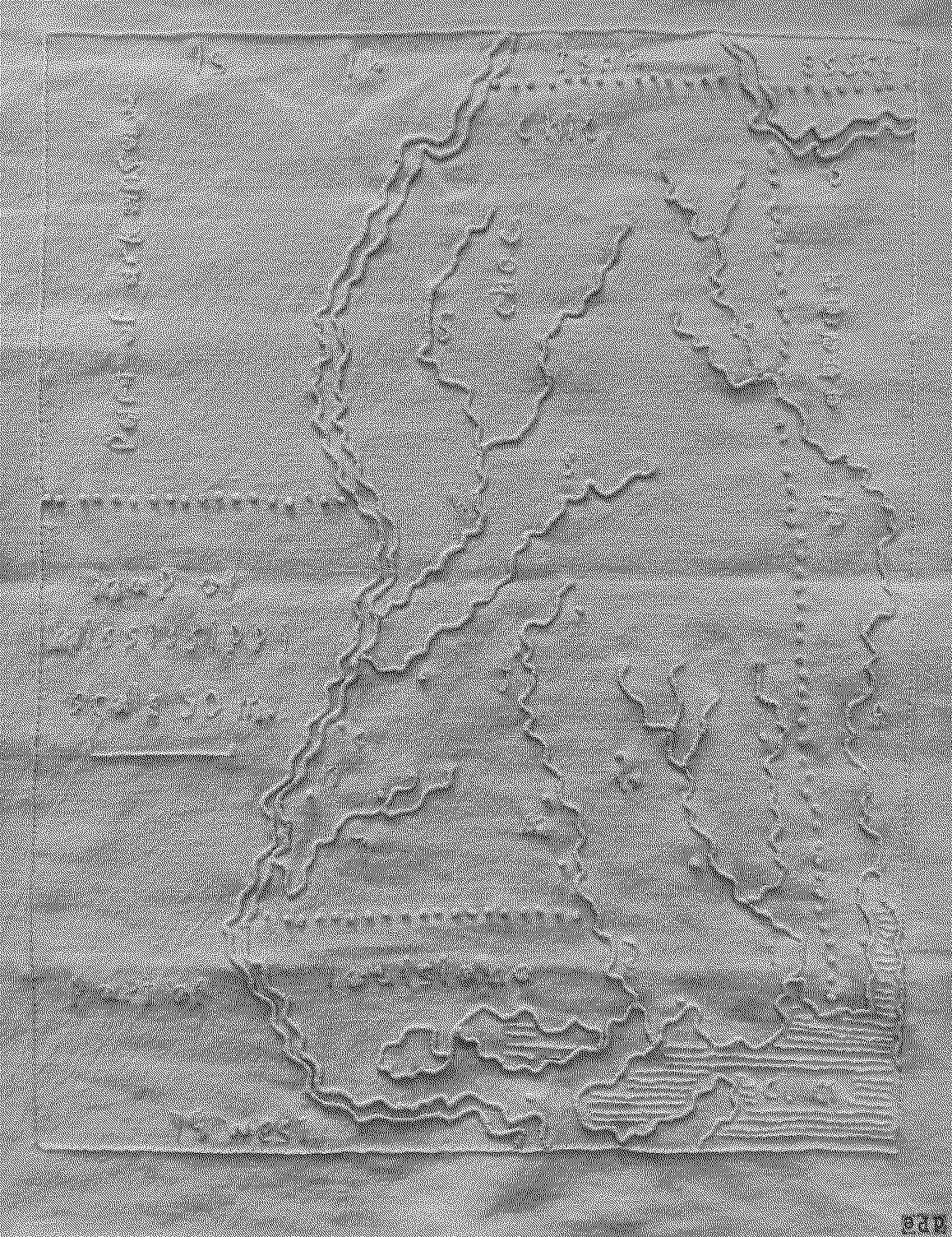
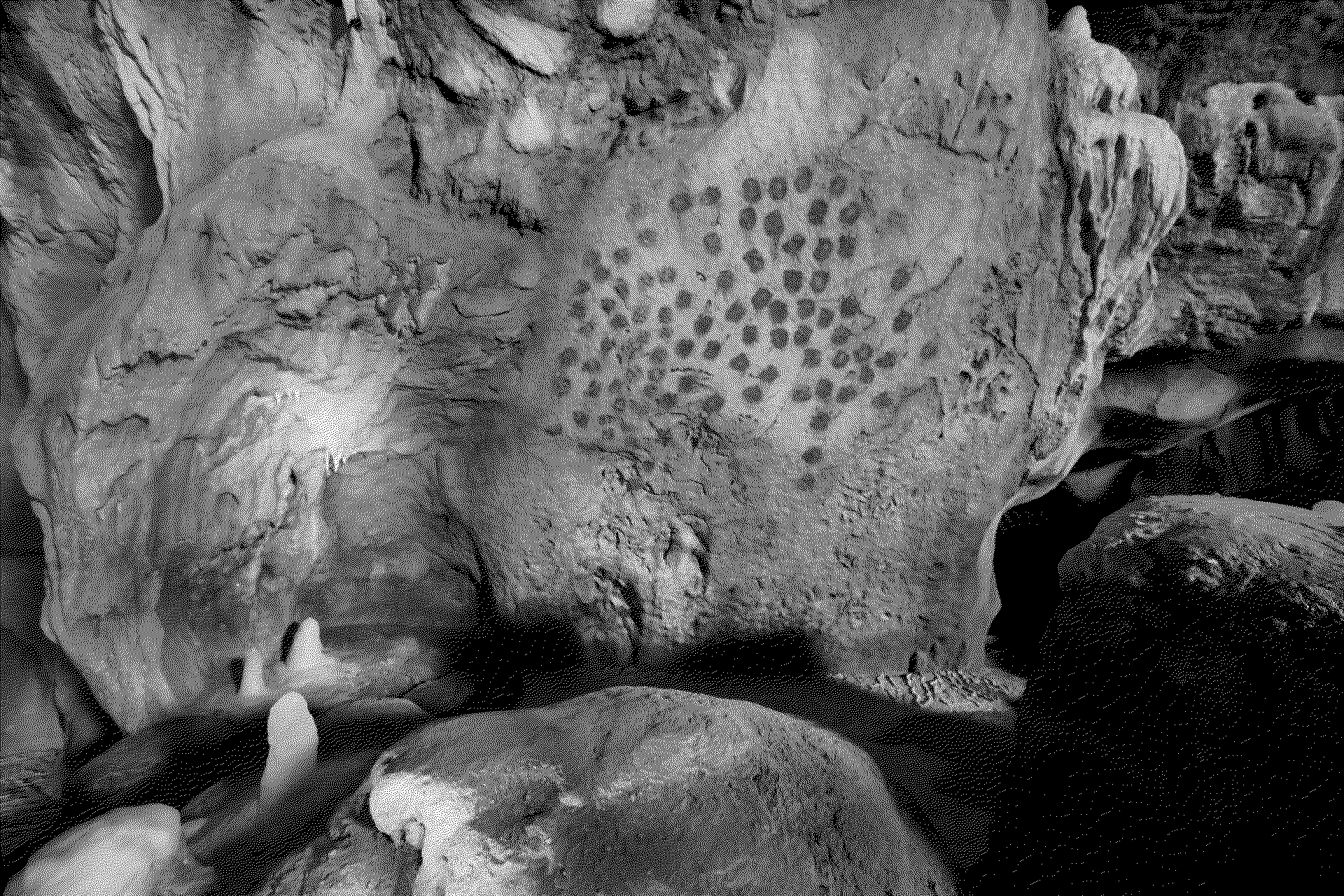
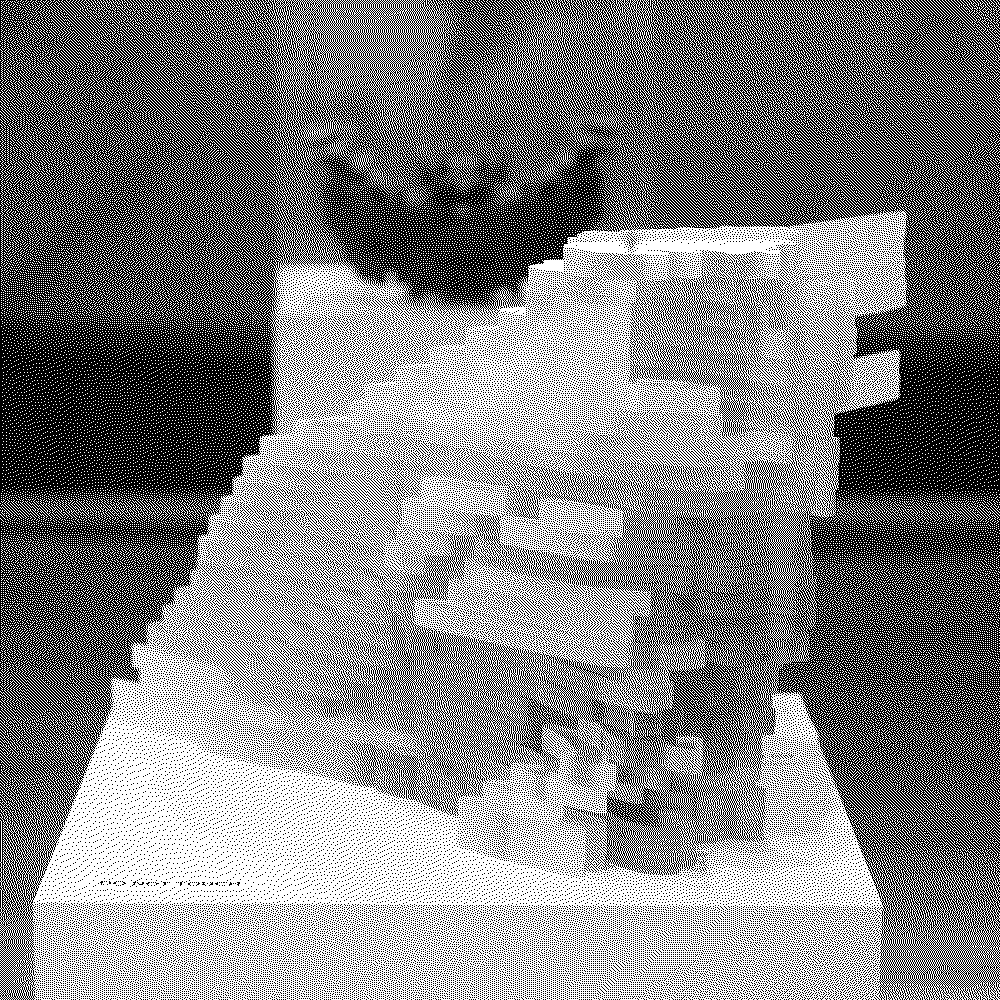
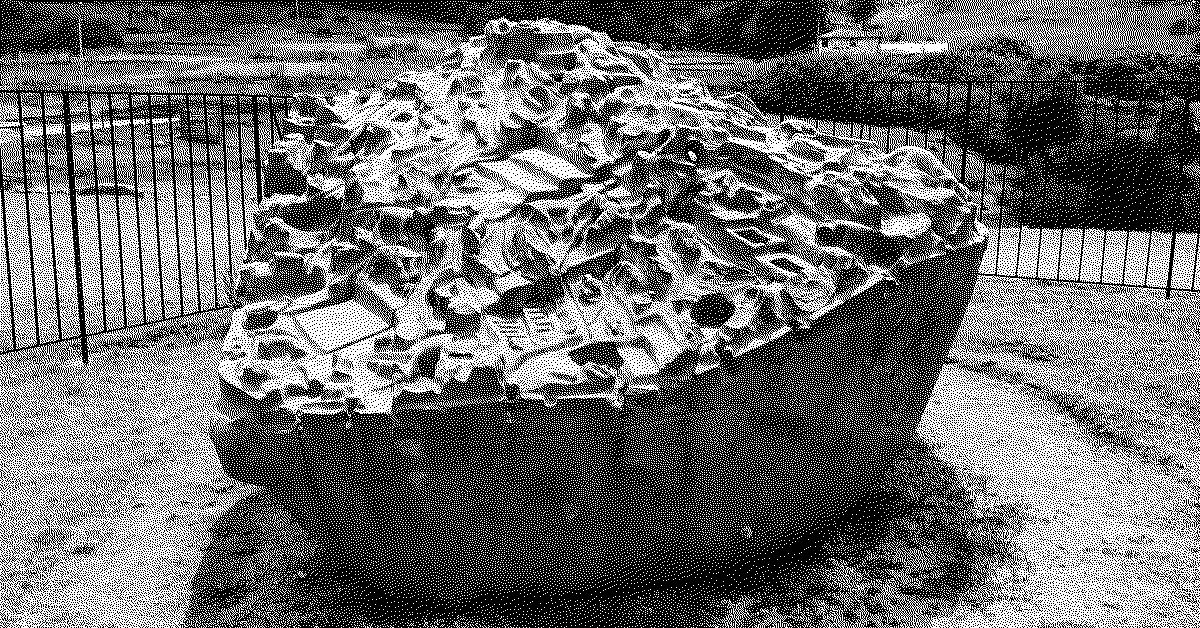
A carved granite boulder near Abancay, Peru, covered with over 200 reliefs depicting terraces, canals, rivers, and animals. Some researchers read it as a topographic model used to plan and test irrigation systems.
Architecture of Return, Escape (American Museum of Natural History)
Author Nicholas Galanin (Tlingit/Unangax̂)
Date of creation 2021
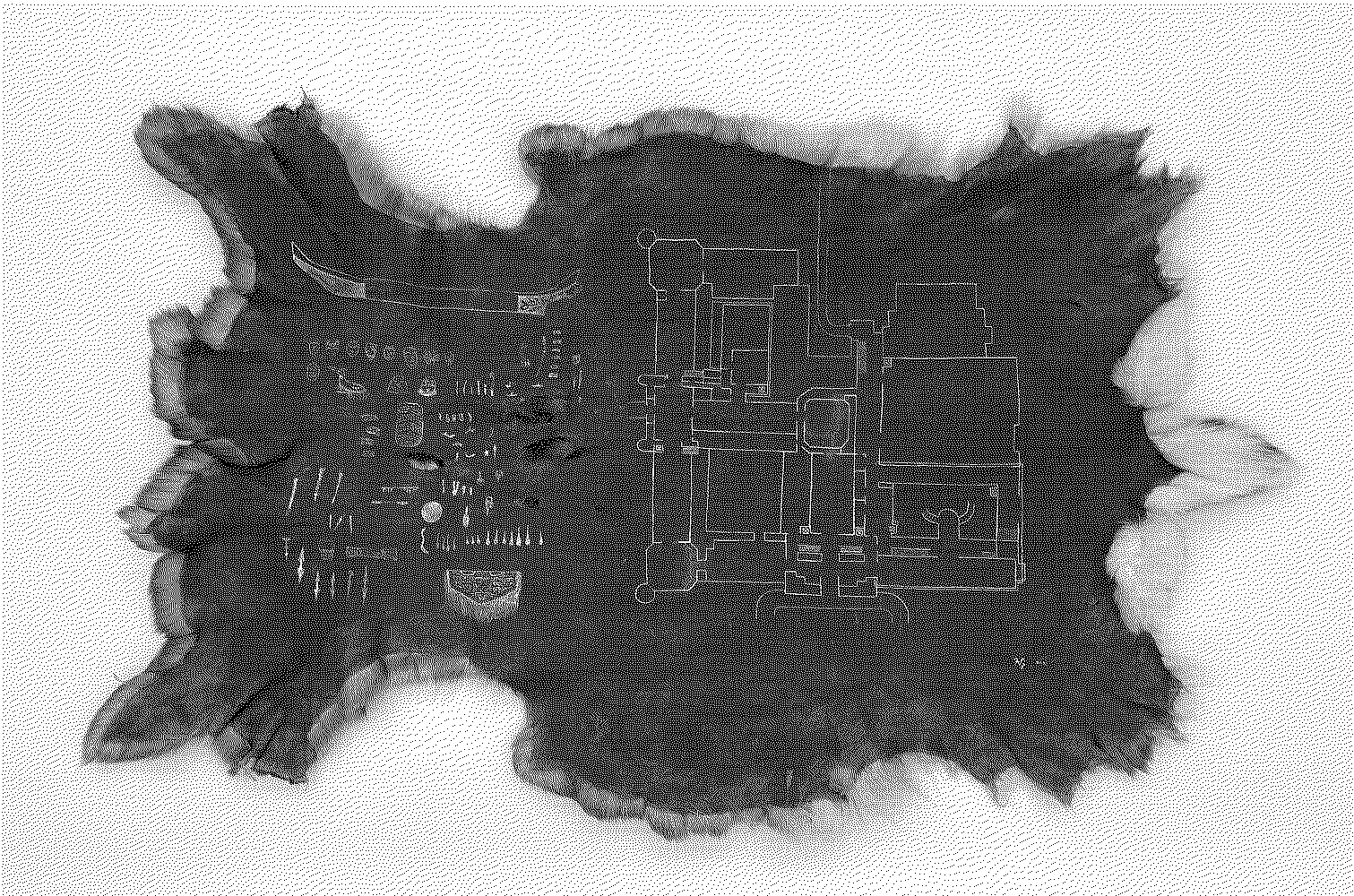
A hide painting referencing the floor plan of the American Museum of Natural History, part of a series mapping escape routes for Indigenous remains and objects held in non-Indigenous institutions, back to their home communities.